

-23%
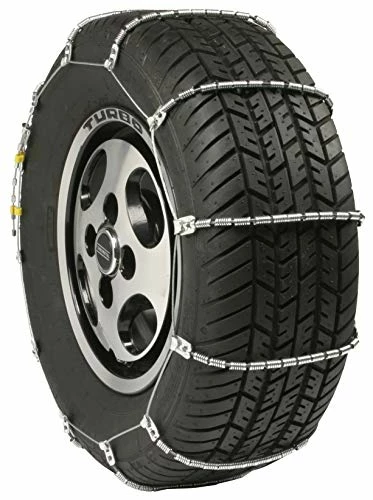
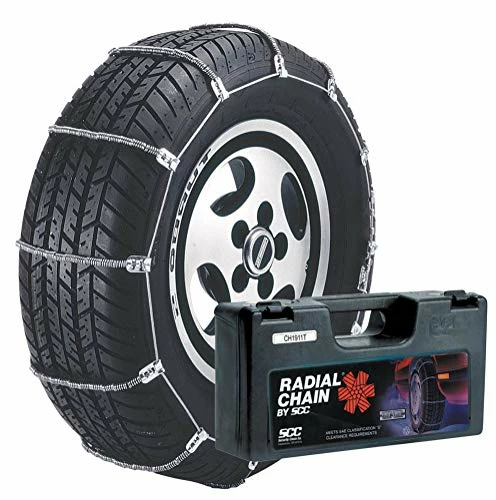
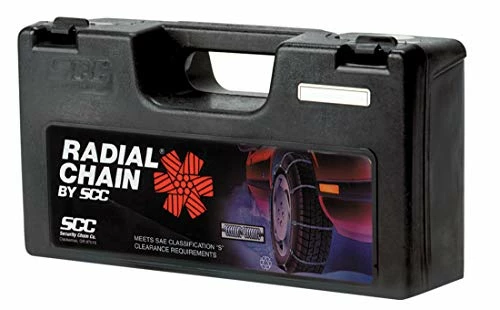
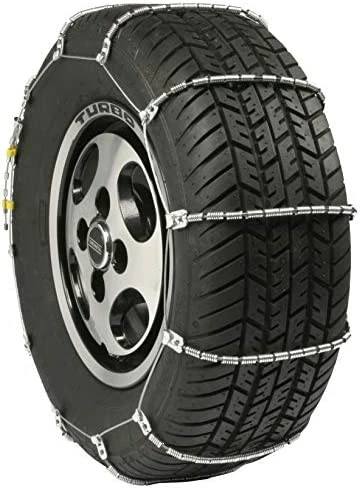
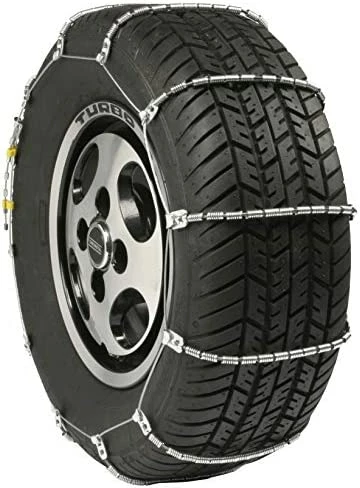
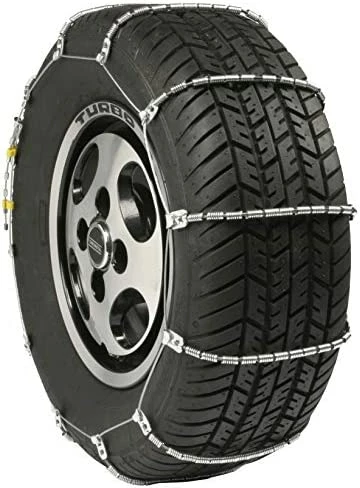
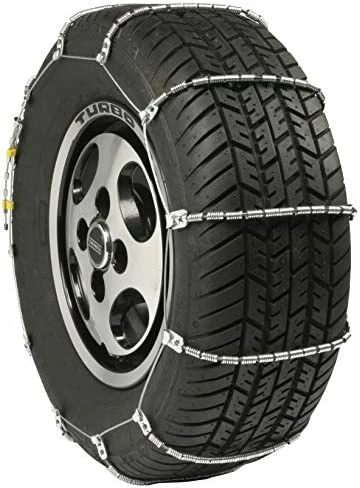
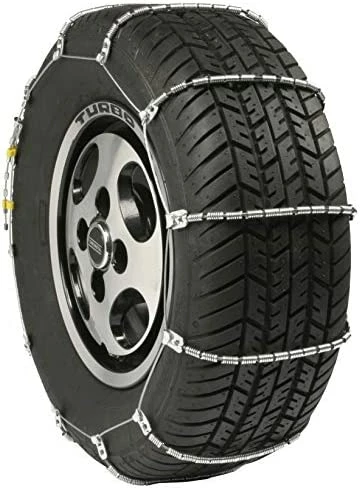
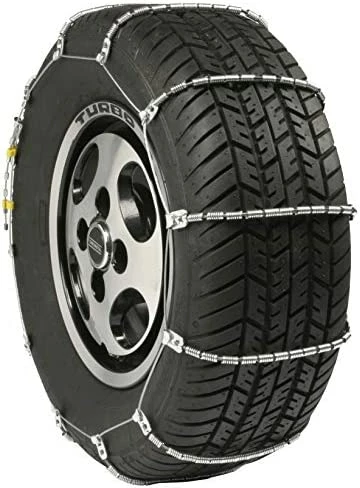
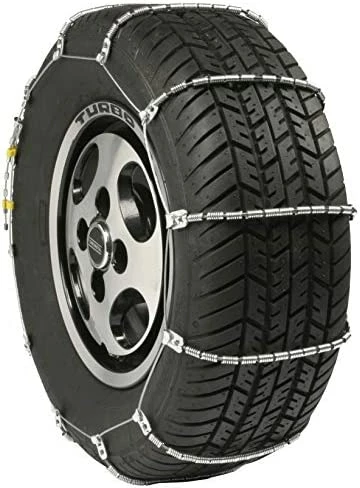
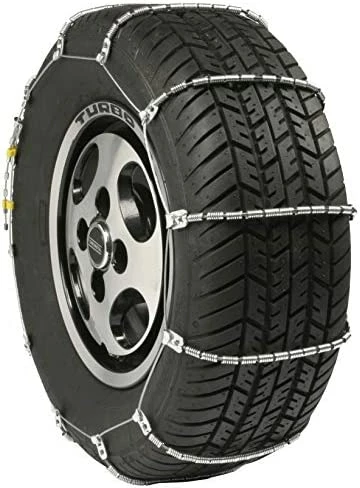
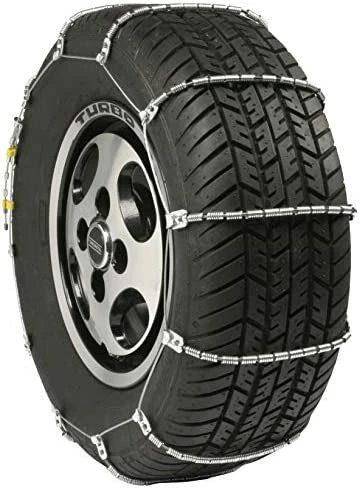
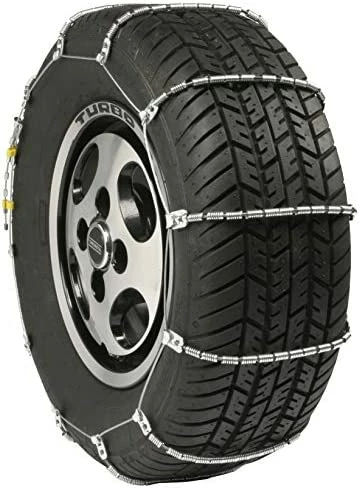
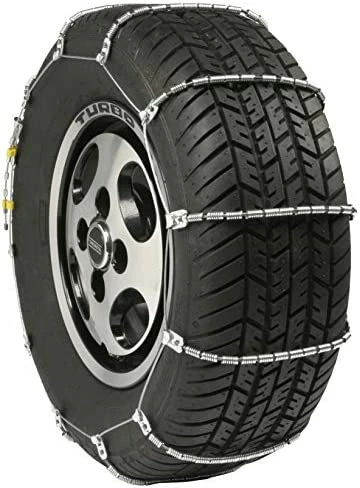
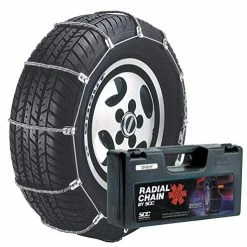
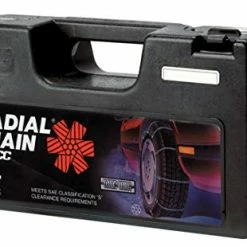
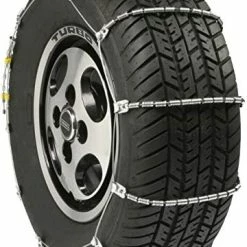
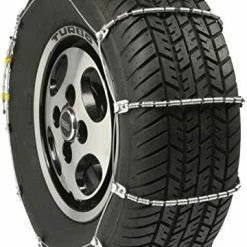
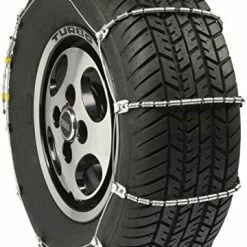
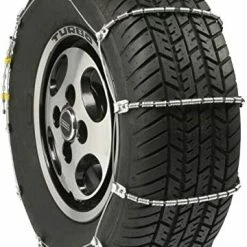
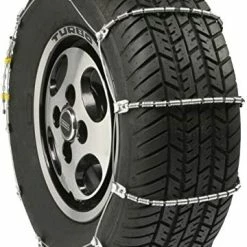
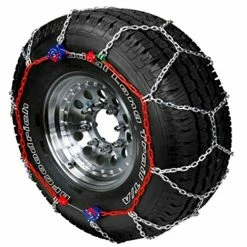
Cheap ???? Ompany SC1040 Radial Chain Cable Traction Tire Chain – Set Of 2 ????
Original price was: $107.59.$83.00Current price is: $83.00.
- Fast, friendly, always here to help.
- Quality that lasts, prices that don't.
- Buy with Confidence, Get Quality
- Shop with Ease

- Brand: Security Chain
- Material: Alloy Steel
- Item Weight: 6.45 Pounds
- Requires low operating space around drive tires
- Low weight facilitates simple mounting and removal
- Improves starting, stopping and cornering performance
- Constructed from stainless steel and are highly durable
- Ensures smooth ride
| Size | SC1014, SC1018, SC1022, SC1026, SC1030, SC1032, SC1034, SC1036, SC1038, SC1040, SC1042 |
|---|
3 reviews for Cheap ???? Ompany SC1040 Radial Chain Cable Traction Tire Chain – Set Of 2 ????
Add a review
Related products
-30%

Original price was: $65.99.$46.19Current price is: $46.19.
-30%


Original price was: $23.99.$16.79Current price is: $16.79.
-30%
Original price was: $32.99.$23.09Current price is: $23.09.
-30%


Original price was: $39.97.$27.98Current price is: $27.98.
-23%
Original price was: $115.89.$89.00Current price is: $89.00.
-30%

Original price was: $11.99.$8.39Current price is: $8.39.
-30%
Original price was: $39.99.$27.99Current price is: $27.99.
-30%

Original price was: $32.99.$23.09Current price is: $23.09.
Dustin –
I have used these cables three times so far, and my opinion is improving. Here are my observations so far. 1. Wear some sort of gloves that will protect you but not impair your dexterity. 2. Forget the step in the installation instructions that come in the box telling you to ‘drape’ them over the top of the tire (which forces you to muck around at the bottom in the snow, trying to attach the ends together where visibility and maneuverability are minimal). It was far easier for me to put them on and get them tightened without stopping repeatedly to adjust them by laying them on the ground with the knobbed dangly ends out front and the ‘locks’ right up against the front/leading edge of the tire.*The cables can come off if you do this backwards, ie, the locks out front and the knobs towards the tire*You still need to make sure the smooth side of the cable cross piece attachment points will rest against the sidewall when finished (as stated). Slowly creep forward onto the cables about 12 to 18 inches (approximately midway up the length of the chains). Stop, set the parking brake and wrap the ends up around your tire, setting the inside first, then the outside (giving them a couple of good tugs to pull out the slack) and tighten again if needed, but now at a reasonable and much more convenient working height on the tire. Try to keep the knobbed ends set the same number inside and outside. If you have enough slack to do so, use the little ‘S’ clips to secure the knobby ends which helps prevent the cables from working themselves loose. The instructions say to have some slack around the tire, but when I did that, my tires just spun inside the chains and I had to get out and snug them down anyway. If you’re going longer distances, you might need to stop after while to tighten/adjust as suggested in the directions. I’m only using them to get up my uneven driveway that can only be marginally plowed, so I don’t go very far with them on. Aside from figuring out the installation learning curve, they work well enough for my needs and time will tell how long they last. I hope this helps. I will try to remember to take pictures next time I’m putting them on and add them to the review to clarify any confusion. Good luck!
Tmach –
I bought these right before the January 2016 blizzard that hit the east coast. Okay, where I live it wasn’t a blizzard per se, but it did leave 14 inches of snow on the ground. Here in Central Virginia we aren’t used to that much snow, and my little Ford Focus wasn’t exactly built for it, either.I made the mistake of not putting these on the car before the snow started. There were only a couple of inches on the ground when I did, but the instructions (and just about every other review, probably) say to test fit them first so you’ll know what you’re doing when you really need them. Anyone who knows me knows I did not do that, so they took me a little longer to get around the tires than they should have. It isn’t a difficult process, but doing it the first time with snow already under those tires is a pain and makes it take longer than it should. So please, for your own sake, if you know snow is coming the next day, put them on before it starts falling. If the forecast was wrong you can always take them off again.Once these things were on, they worked like a champ. When it snows, I have to work. The snow started falling that Friday and I drove to work right at the beginning of it. I did not put the chains on the tires until after I arrived. Like I said above, there were already a couple of inches on the ground by then, which made the process more difficult. I probably spend about half an hour doing it. By the time I left work that night, there were probably 6 or 7 inches on the ground. While that may not be a lot for many of you reading this, it’s a lot for us here in Richmond, VA. Since the snow was coming down pretty steadily, the snow plows hadn’t been able to accomplish much at that point, and a lot of the roads I had to take had not been touched. But, with these chains on the tires the Focus had absolutely no problems whatsoever. The traction light did not come on one time–and it’s pretty sensitive, usually lighting up whenever the car hits a decent-sized puddle. There was no speeding down the road (instructions say keep it to round 30 or 35, I believe) but no slipping or sliding. Braking wasn’t a problem, nor was getting going from a stop. I only had a couple of small hills to traverse, but there were no problems there, either.Fast-forward to Sunday morning, and it was a different of a story. The car had been parked since Friday night when I got home (not sure how I managed to NOT have to work Saturday, but I wasn’t complaining). By then, there were 14 inches of snow on the road (my road had not yet seen a plow of any kind) and it had drifted up over the headlights on the Focus. In that situation, the chains really couldn’t do much at all. Even after I dug out the car, this snow didn’t pack very well, so it was impossible to get “on top of it”. The chains really couldn’t do much when the snow was high enough for the front bumper to be acting like a plow. Fortunately a real plow came along just in time for me to leave for work. It only had time to make one pass, so there were still about 6 inches on the ground when I was able to leave, but that was no more of a problem than it had been Friday night.So overall I was pleased with how the chains worked. For a small car like the Focus, they make 6 or 7 inches of snow no problem to navigate. Having true winter tires might work just as well but chains are a lot cheaper–especially when you live in a place where you’ll only have to use them once or twice a year.
Schnagi –
I live in an area that doesn’t get too much snow, but occasionally there can be 8 or 10 inches overnight. Every year my wife has a flight to catch on the morning after the night when it all comes down. I don’t know how she does it, but she gets it right every time. So, I need to get her to the airport in my old electric car (Kia Soul EV). Obviously EVs are really bad in winter conditions; they are heavy, and the low-friction tires are even worse than regular summer tires. With these chains I can make the trip to the airport (and to stores, work, etc.) and feel reasonably safe. Without them I wouldn’t stand a chance.Installation is easy and quick if you know what you’re doing. Instructions are not great, but OK. Just make sure to practice before you actually need them! They seem to be very durable, too. While I use them only a couple of times per winter, this is the fourth winter that my first set is holding up. I got a back-up set to avoid getting stranded somewhere, but so far, I’ve only been using the first set. Oh, yes, they come in a handy plastic box that stores well in the trunk.